11. edition
16 July 2026
Key takeaways from the AI for Good Global Summit 2026.
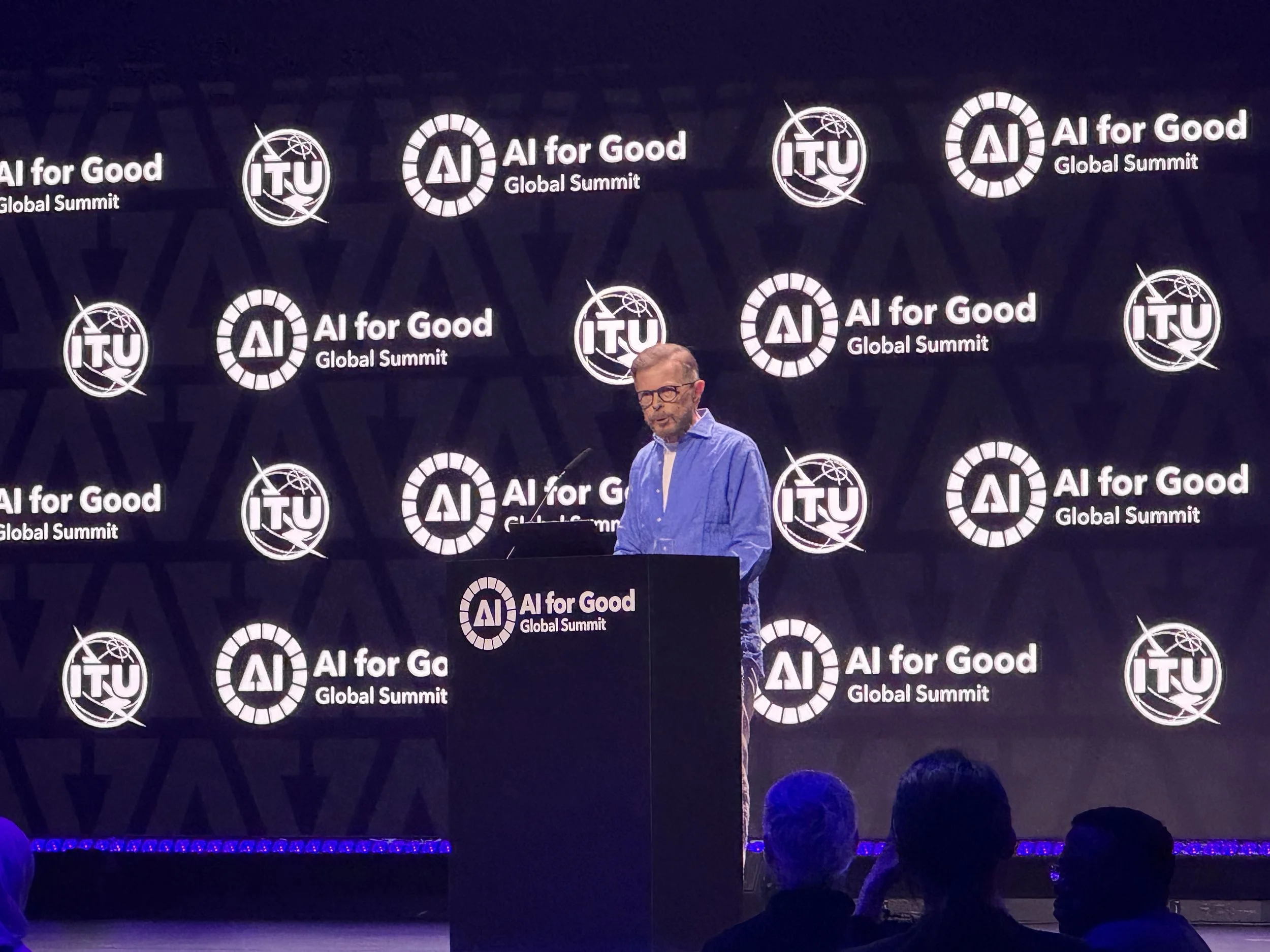
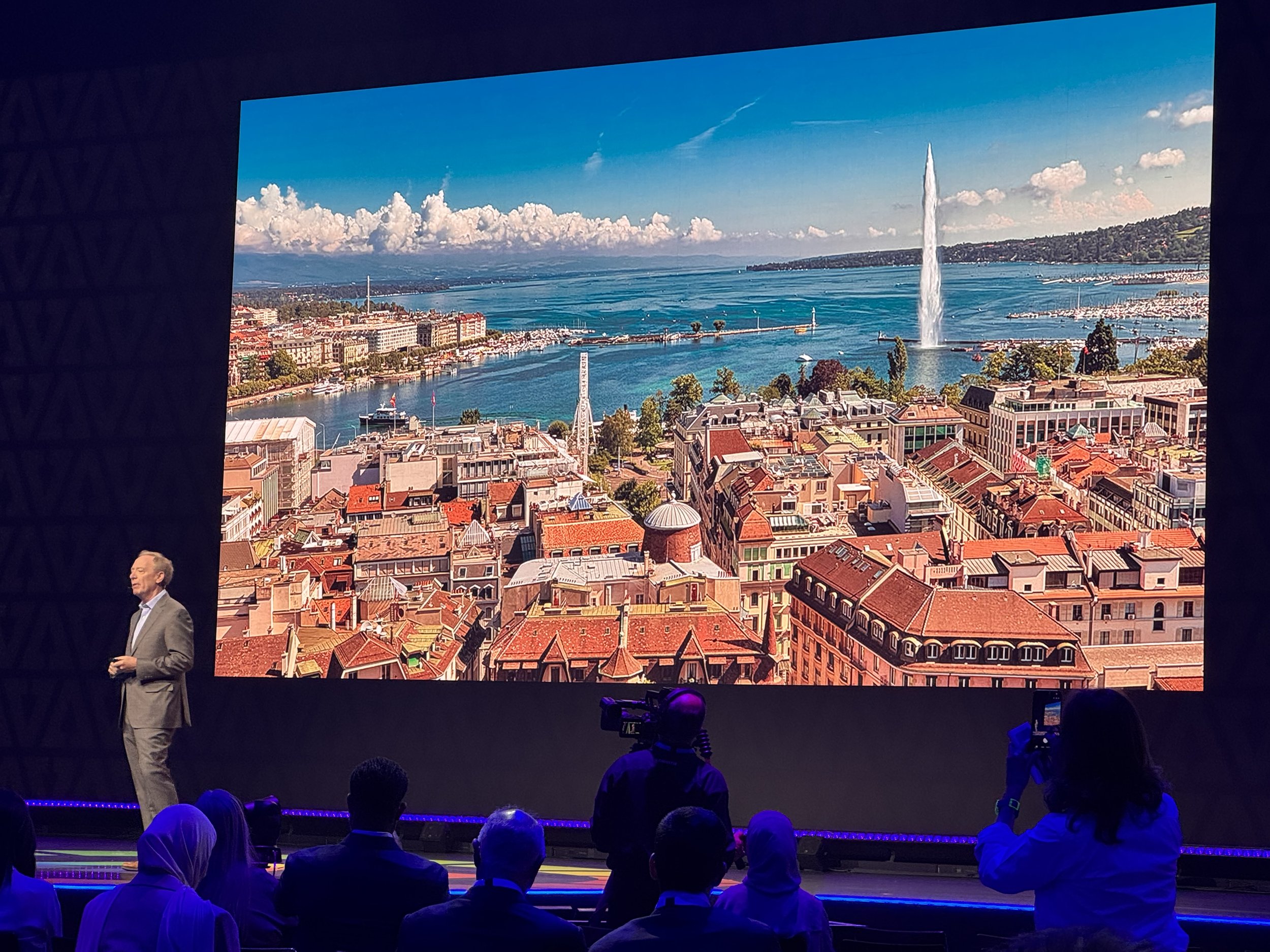
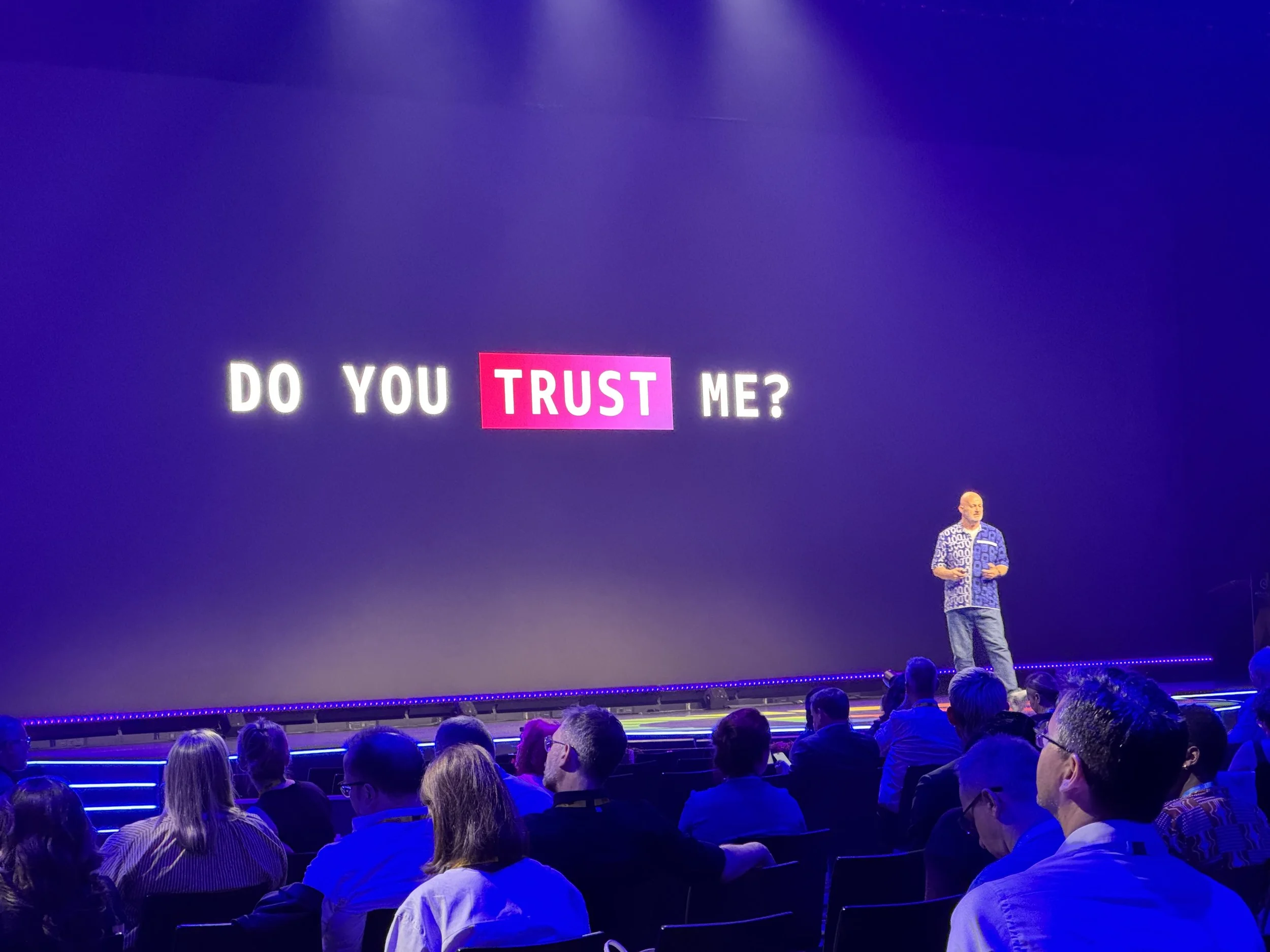
The AI for Good Summit ran in parallel with the Global Dialogue on AI Governance and the World Summit on the Information Society (WSIS) Forum. The intense schedules, along with meeting people from all over the world, gave me lots of food for thought. Here are my key takeaways and reflections on a few sessions and ideas I found particularly stimulating.
Björn Ulvaeus, co-founder of ABBA, asked the question: “AI for good but good for whom?” He emphasized that technology is only good when the people whose work built it aren’t erased, when they consent to it, and share in what it creates. He argued that AI music models are trained on a century of songs (his own included) without permission or payment. Rather than trying to trace individual outputs back to specific works, he proposed paying for the training inputs instead. He concluded that creators are “partners” who deserve a “share of the harvest”. Collective licensing models already exist and work well in the music industry. In my opinion, the real gap isn't the lack of tools, it's the political will to extend them to AI training data.
Brad Smith, president of Microsoft, argued that the deepest divide in the world today is the economic divide between the global north and south, which he traced back to unequal access to electricity as a historical parallel for AI. He pushed back against both extremes of the regulation debate and stated that heavy-handed regulation won't work, but neither will a "laissez-faire" approach to AI. I believe that just as electrification narrowed the gap between advanced and developing nations, the same could happen with AI, but only with deliberate policy choices, not by default.
Werner Vogels, CTO of Amazon, framed his thoughts around the title ‘Trust is dead: trust me’. He argued that trust is one of humanity's oldest technologies and has helped cooperation among strangers for millennia. Nowadays, more than half of the people can’t distinguish between real and fake content. Therefore, he suggested we stop asking whether we can trust the model because we cannot. Instead, it is necessary to build the system around it in three verification stages: audit what goes in, verify what comes out, and, for agentic systems, verify what the AI does. I see deteriorating trust as a very serious societal issue. I have been heavily involved in this topic since my doctorate thesis. I proved that trust is one of the crucial social values that contributes to economic progress in the long term. Low trust, low prosperity. If AI erodes trust, we all pay the price.
While also walking around the exhibition area, I saw robots, autonomous vehicles and human digital twins making their debut, which deserves a post of its own. More on digital twins in the next edition!